
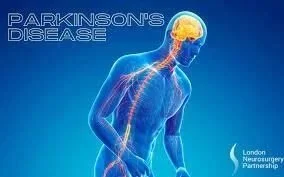
Parkinson’s disease, or PD, is a long-term degenerative disorder of the central nervous system, mainly affecting movement. According to the National Health Service (NHS) in the United Kingdom, PD is marked by a progression of different physical problems from tremors, slowness of movement, and stiffness (2019). Others are psychological symptoms such as depression, anxiety, the loss of smell (anosmia), problems sleeping (insomnia), and memory problems.
In this article, we will be reviewing Ending Parkinson's Disease: A Prescription for Action, a book written by doctors Ray Dorsey, Todd Sherer, Michael S. Okun, and Bastiaan R. Bloem.
Parkinson’s disease was first explicitly described in London during the Industrial Revolution, when suffragist, activist, paleontologist, and advocate Dr. James Parkinson described six of his patients in his essay “An Essay on the Shaking Palsy” in 1817. In addition to all his radical political views, this essay was the first to describe the disease so explicitly compared to other previous accounts that simply called it “tremors.” But not all Parkinson’s patients experience tremors; they also had bent postures, abnormal walks, and a tendency to fall. In the 1950s, more than a century later, Dr. Arvid Carlsson showed how the chemical dopamine, once downplayed and overlooked, actually had a clinical significance to many neurological disorders. In rabbits with lower levels of dopamine, they would lose the ability to hop and would start shaking, but once given a drug called levodopa to raise their dopamine levels, the rabbits would start bouncing again. When used for patients with Parkinson’s disease, these patients seemed to gain back their motor control. In 2000, Carlsson was awarded the Nobel Prize for the current most efficient treatment for Parkinson’s disease.
The cause of PD is still unknown, and more research is needed to follow how the loss of control of movement may be correlated with PD’s characteristic of dopamine depletion. Some researchers hypothesize that it is caused by substantia nigra (SN) atrophy, the term describing cell death in the midbrain (Sonne et al., 2020) . The substantia nigra is a nucleus part of the basal ganglia (responsible for motor learning, habits, executive functions, and emotions), and it is located in the “midbrain posterior to the crus cerebri fibers of the cerebral peduncle,” meaning it is in front of the crus cerebri fibers of the cerebral peduncle, the two stalks that connect the brainstem to the cerebrum responsible for movement and communication with the spinal cord. The SN has been studied intensively for not only PD but also in stroke, Huntington disease, Tourette syndrome, schizophrenia, ADHA, and OCD.
In one mysterious case, Dr. William Langston from San Jose, California had found six patients in 1982 with mysteriously similar symptoms to PD, with tremors and loss of motor control. However, all of these patients were less than fifty years old, with some of them even twenty five. PD was generally associated with the progressive degeneration of cells in the SN, so this was a curious medical case. In the end, Langston found that they had all ingested a synthetic heroin (fun fact: heroin is actually a naturally occurring opioid) called MPTP, which is converted into a compound called MPP+, which kills neurons in the SN, causing parkinsonism, the syndrome that results in symptoms related to PD.
There have even been studies on how pesticides such as paraquat and Agent Orange act similarly to MPTP. In a study by Dr. William Langston and Dr. Caroline Tanner from UCSF, they found that farmers who had used specific pesticides such as paraquat and rotenone were more than twice as likely to develop parkinsonism than others.
Genes also play a role in one’s susceptibility to developing PD. In 1997, Dr. Mihael Polymeropopulos identified the alpha-synuclein protein, which is encoded by the SNCA gene. It is a protein that regulates synapses between neurons and neurotransmitter release. These proteins, in the patients they examined, had misfolded, similar to how tau proteins misfold in Alzheimer’s Disease, causing the death of neurons in the substantia nigra. These protein clusters are called “Lewy bodies” after Dr. Fritz Jakob Jeinrich Lewy who discovered them.
Additionally, more research has been pointing to how the LRRK2 mutation has been the most common gene to be mutated in PD patients. In 2008, Sergey Brin, cofounder of Google, funded research with 23andMe because of the prevalence of these genes in his own family.
As more research is needed, some researchers think that the vagus nerve may be the best place to research to find where PD starts. Since levodopa is a drug that gives external dopamine into the body, it is hard to know how to balance the chemicals inside one’s endocrine system. As a result, long-term use of levodopa has led to symptoms of fluctuations, dyskinesias, toxicity, and loss of efficacy. Research in deep brain stimulation (DBS) has shown to provide some relief for the brain, where an electrical pacemaker is implanted into someone’s brain to send electrical signals in place of the dead SN neurons (Miterko et al., 2021). While DBS has shown to be very helpful for patients who do not want to take medications, some side effects include numbness, muscle tightness, speech and balance problems, and unwanted mood changes. With surgery being the most invasive technique, it is crucial that there is more research on the cause of PD.
Citations
Bloem, B. R., Okun, M. S., Dorsey, R., & Sherer, T. (2021). Ending Parkinson's Disease: A Prescription for Action. PublicAffairs.
Miterko, L.N., Lin, T., Zhou, J. et al. Neuromodulation of the cerebellum rescues movement in a mouse model of ataxia. Nat Commun 12, 1295 (2021). https://doi.org/10.1038/s41467-021-21417-8
Sonne J, Reddy V, Beato MR. Neuroanatomy, Substantia Nigra. [Updated 2020 Nov 8]. In: StatPearls [Internet]. Treasure Island (FL): StatPearls Publishing; 2021 Jan-. Available from: https://www.ncbi.nlm.nih.gov/books/NBK536995/
