
Kaden Chan
Luana Veras
Oliver Maxwell
Jamillah Key
Anannya Raman
Charlotte Tse
Sahana Sankaran
Leyna Nguyen
Moises Gallegos
Holden Pipp
Prajanya Kannan
Aden Lee
Disha Divakar
Ashley Wong
Allison Duran
Introduction
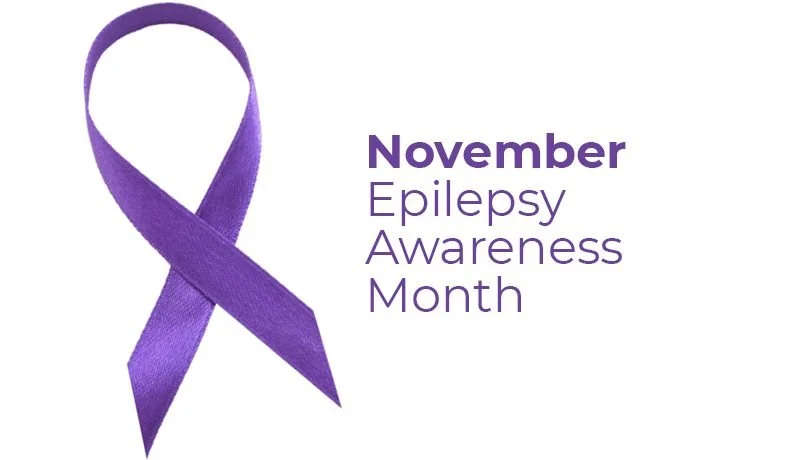
Epilepsy, or seizure disorder, is characterized by disruptions in nerve activity, leading to seizures. It affects 3.4 million people around the world of all ages, and many seizure disorders develop from a young age. It makes their life harder, requiring the use of multiple medications and costly treatments.
There are different types of seizures: focal, absence, tonic, atonic, clonic, and tonic-clonic seizures:
-
Focal seizures result in impaired awareness, altered emotions, deja vu, jerking of one body part, and random sensory symptoms.
-
Absence seizures (petit mal seizures) most common in children commonly result in subtle body movements that can happen in clusters throughout the day.
-
Tonic seizures most commonly affect muscles in your back,arms and legs causing stiffness and affecting consciousness.
-
Atonic seizures are what causes you to lose muscle control and typically leads to falling as it majorly affects the legs.
-
Clonic seizures are characterized by repetitive jerking motions generally in the upper part of the body.
-
Myoclonic seizures are brief twitches in the body.
-
Lastly, tonic-clonic seizures, also known as grand-mal seizures, are the most visual seizures. They result in the loss of consciousness, tongue-biting, loss of bladder control, muscle stiffness and heavy shaking.
Epilepsy does not have a known, perceptible cause but there are multiple factors that can lead to it. The causes of epilepsy range from genetic disorders to head trauma and abnormalities that develop over time. While most causes of epilepsies are genetic and most common in children, anyone can develop epilepsy at any given time. One major cause of epilepsy is change in structure of the brain. This can be caused by head trauma in accidents, a result of a genetic disorder as well as strokes and tumors. People who have autism spectrum disorder (ASD) are likely to get epilepsy as seizures are caused by irregular electrical activity, which is a symptom fohave. Changes in metabolism can also contribute to epilepsy. Epilepsy can occur to anybody at any age. The most common age to have epilepsy is within the first year.
Diagnoses
There are a multitude of methods to diagnose epilepsy. Neurological exams and blood tests are often administered as an early measure for diagnosis. Neurological exams will evaluate an individual’s mental status, coordination and balance, reflexes, sensory response, cranial nerves, and autonomic nervous system. Blood tests consist of taking a blood sample to check for infections, genetic conditions, and other conditions associated with seizures. Other tests used by doctors are neuropsychological tests, consisting of the testing of a patient’s memory, thinking, and speech skills, which then help doctors determine the areas within the patient’s brain that are affected.
Scans are often taken after tests to further evaluate brain abnormalities; they include magnetic resonance imaging (MRI), electroencephalogram (EEG), and computerised tomography scan (CT scan). PET abbreviated for Positron emission tomography, PET scans allow for a visualization of metabolic activity of the brain, helping detect abnormalities. This helps depict the areas within the brain where seizures may occur. SPECT (single-photon emission computerized tomography) is a test used when a patient has had both MRI and EEG scans which failed to detect or pinpoint the location of the origination of their seizures. In some cases, the coregistration of subtraction ictal SPECT and MRI may be administered by a doctor to receive a more detailed result.
Medical Treatments
After being diagnosed, patients would often look towards treatment. There are many different treatments for epilepsy. These include many different things such as Anti-epileptic drugs, epilepsy surgery, and many other solutions. Anti-epileptic drugs or AEDs are one of the main treatments for epilepsy and work by decreasing excitation or enhancing inhibition. They create a balance between excitatory and inhibitory circuits. They specifically alter activity in neurons by affecting the ion channels in the membrane or alter chemical transmissions between neurons by affecting neurotransmitters in the synapses. AED drugs are consumed orally and are absorbed into the bloodstream from the stomach. It then gets circulated to the brain through the bloodstream, and is gradually removed by the liver breaking it down or the kidneys filtering it out.
AEDs can be very helpful but also have some major side-effects. These include drowsiness, lack of energy, agitation, headaches, tremor, hair loss and growth, swollen gums and rashes. Another way of treating epilepsy is through surgery. This is where a person with epilepsy would remove part of their brain to stop seizures; however, this is only a solution if AEDs stop working or tests from scans show that the seizures are caused in a region of the brain that could be removed without serious effects. Before surgery, many scans are done such as electroencephalogram (EEG) to test the brain’s electrical activity and other tests to check the brain’s well-being and other memory tests. During surgery, the person would be put under general anaesthetics and the surgeon would cut into your scalp to open the brain and remove the affected part of the brain. None of these treatments are certain to work. Both AEDs and epileptic surgeries depend on each other and if one does not work, a doctor would usually recommend the other. There are also other types of treatment that a person can do such as dieting and other small, simple ways that reduce the intensity and frequency of seizures. Overall, treatments are very limited in epilepsy, but have many new advancements due to research.
Current Research
The research of epilepsy is broad and puzzling. Neurologists and radiologists research epilepsy on how the brain functions in different animals and humans, while other researchers test different treatments for epilepsy. Current research done on epilepsy have demonstrated promising results in developing a well-rounded understanding of the disorder, and different ways it can be treated. New evidence has shown that high levels of the protein (P-glycoprotein) in the bloodstream can explain why those with epilepsy suffer from seizures and have trouble responding to medication.
Another major advantage of researching epilepsy, is that the brains of all animals are similar to those of humans. This allows researchers to use rodents such as mice to understand the gears behind the seizures, by either looking at human made seizures or natural ones. Though the current research done on epilepsy have shown promising results, the complexity of the disorder has questioned researchers with many types of seizures being produced in different ways and the symptoms resulting from it. Drugs can also display disadvantages as it can have adverse results, withdrawal symptoms, and have trouble reaching those in developing countries.
Works Cited
Epilepsy. (2021). Mayo Foundation for Medical Education and Research. Retrieved October 9, 2021, from https://www.mayoclinic.org/diseases-conditions/epilepsy/diagnosis-treatment/drc-20350098.
Magnetic Resonance Imaging (MRI): Brain. KidsHealth. n.d. Retrieved October 10, 2021, from https://kidshealth.org/en/parents/mri-brain.html.
Neurological Exams. Medline Plus, U.S. National Library of Medicine. (2021, September). Retrieved October 10, 2021, from https://medlineplus.gov/lab-tests/neurological-exam/.
Schachter S., Shafer P., Sirven J. What Causes Epilepsy and Seizures? (2013, July). Epilepsy Foundation. Retrieved October 10, 2021, from https://www.epilepsy.com/learn/about-epilepsy-basics/what-causes-epilepsy-and-seizures
United Kingdom National Health Service (NHS). Treatment: Epilepsy. (2020, September). Retrieved October 10, 2021, from https://www.nhs.uk/conditions/epilepsy/treatment/.
Wahab, Abdul. Difficulties in Treatment and Management of Epilepsy and Challenges in New Drug Development. Pharmaceuticals (Basel, Switzerland) vol. 3,7 2090-2110. 5 Jul. 2010, doi:10.3390/ph3072090
What is epilepsy? CURE Epilepsy. (2021, April 28). Retrieved October 9, 2021, from http://www.cureepilepsy.org/for-patients/what-is-and-what-causes-epilepsy/?utm_source=googe&utm_medium=ppc&utm_campaign=definition&gclid=Cj0KCQjw-4SLBhCVARIsACrhWLXgSKB7iD8eOmlTa473xBPr-cdGpjbYKRekCzxszwLvzpK4rrexI_UaAridEALw_wcB.
Centers for Disease Control and Prevention. (2020, September 30). Epilepsy data and statistics. Centers for Disease Control and Prevention. Retrieved October 30, 2021, from https://www.cdc.gov/epilepsy/data/index.html.
