
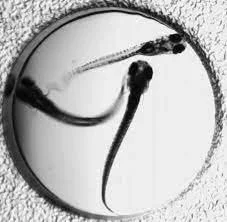
The method a team of anatomy and cell biology did was testing how anti-seizure affects Zebrafish. They are scientists who are experts in this kind of fish and model their disease. The most promising compounds of anti-seizure are drugs that show significant properties in the fish. The first drug is metformin which is commonly used in diabetes medication, the second is nifedipine which is a type of blood pressure drug, and the third is pyrantel tartrate which is an antiparasitic therapy. These drugs are FDA-approved, but none are specifically approved for treating seizures and epilepsy. Scientists now have a list of medications that could give hope to people who have seizures but are not effectively treated by traditional medicine. Scientists explain that Zebrafish are a great model for testing anti-seizure because the drug effect happens quickly, and the fish are cheap. But they are not mammals, so the effects might be different. The team wants to test the remaining 90 drugs on the zebrafish and later in a mouse model. The drugs that pass both of these tests could theoretically go on to clinical trials and patients with epilepsy.
In a study conducted in December of 2018, University of Iowa researchers combined gene expression profiling and bioinformatics to find around ninety different drugs and medications, all already approved by the FDA, that have anti-seizure effects. The drugs included 91 drugs and medications approved by the FDA and over one hundred and eighty four total medications. Talking about the FDA approved choices, Alexander Bassuk leader of the group and, MD, pHD, at University of Iowa as a professor of pediatrics and neurology stated, “[It’s] pretty exciting because those are drugs that don’t necessarily have to go through all the initial stages of safety testing because they are already approved for use in humans.”
Another important discovery was that the team was able to find out the compounds that they hypothesized were the cause of seizures because they induced a gene expression signature that was very similar to the one observed in the diseased brain tissue.” They profiled the compounds into three different clusters, these groups distinctly recognized the differences between myelination, protein degradation, and cell migration as cellular processes likely to underlie epilepsy. Their research also discovered that the best medication, therapy, and drug for preventing seizure-like movements in fish and humans were: a hypertension medication, an antiparasitic therapy, and a diabetes drug as they significantly reduced these movements.
Their paper was advantageous because it provided insight into how we can prevent seizures, but unfortunately it did not provide clear statistical data for how effective each method was in preventing seizures. In conclusion, the team at University of Iowa has prompted many researches in the field of epilepsy and opened up an entirely new possibility of preventing seizures and reducing the effects they have on seizure patients in its entirety. With this new research, it has opened up discussions across the nation and truly impacted the almost 5% of our population in the United States that are prone to seizures at one point in their lifetimes.
APA Format Citation:
Ui Epilepsy study points to promising new uses for existing drugs. UI epilepsy study points to promising new uses for existing drugs | Carver College of Medicine. (n.d.). Retrieved October 15, 2021, from https://medicine.uiowa.edu/content/ui-epilepsy-study-points-promising-new-uses-existing-drugs.
