
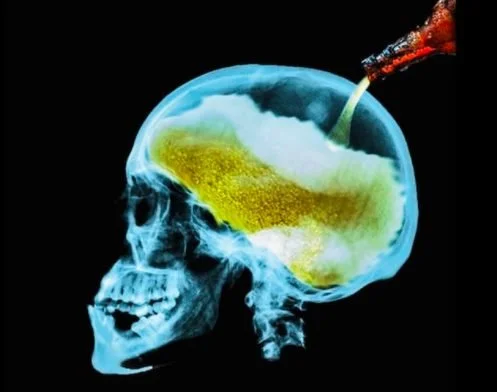
A medicine or other substance which has a physiological effect when ingested or otherwise introduced into the body- a drug, to simplify, according to Merriam-Webster. Does alcohol fit this description? It certainly does. Alcohol is a substance, correct; the ingestion of this particular substance does in all instances alter the normality of the human demeanor. Not only is alcohol just one of the many drugs in this imperfect world, but also is the most dangerous drug due to the fact that it is easily accessible and frequently used. Sure there are drugs that with a high dosage can kill someone, but the process of alcohol destroying our bodies is a long-lasting and painful process.
Think about this in a completely different way. There are two identical balloons; one balloon is being popped by a needle, while the other has a lit match under it. The balloon being popped by the needle signifies the person who takes a high concentration of heroin, who almost dies, while the balloon with a match lit under it takes a while to pop, signifying a person who drinks copious amounts of alcohol over a long period of time. Clarifying the fact that alcohol is truly a drug, the health risks to just drinking a glass of red wine is not worth the relief of having no stress that this drug gives you.
Risking the orderly functions of one’s heart, brain, and liver is not worth the long term effects that happen to one’s body. A long period of time of heavy drinking can lead to a plethora of diseases such as Alcoholic polyneuropathy (damage of peripheral nerves), myopathy (muscle tissue), gastritis (stomach inflammation), and so many more that it really seems extramundane to someone who hasn’t seen this happen first handedly. Alcohol as a drug is more complex than just affecting the physical aspects of the human body.
What the most important effect of alcohol on the human body is that the drug doesn’t just affect a person physically, but also emotionally. So many psychological factors come into play when figuring out whether alcohol is a stimulant or depressant. To be honest, alcohol could be categorized based on a very important factor: the frequency of how long the alcohol has been ingested. If someone new to drinking alcohol starts, the initial shock categorizes alcohol as a stimulant because it is a jolt to the body that has a new, but low tolerance of alcohol; on the other hand, someone who has developed a high tolerance to alcohol and has repeated the ingestion of alcohol, would have alcohol classified as a depressant due to the fact that the frequent usage damages the nervous system more and more over time, putting the whole body into a sedated state.
One could argue that alcohol isn’t a drug, but with this large of an effect on the American population, alcoholism is a problem that isn’t going to vanish any time soon. Remember all of the risks of a substance that doesn’t seem harmful, because before one knows it, they’ll end up with such a chronic problem that they are dependent on this drug. Realize that alcoholism can change one’s body and environment, be aware of what is happening, analyze the situation, and take the initiative to get help or to help someone with this problem.
Article Inspired by Berkeley Splash Course ‘BRAIN ON DRUGS’
