
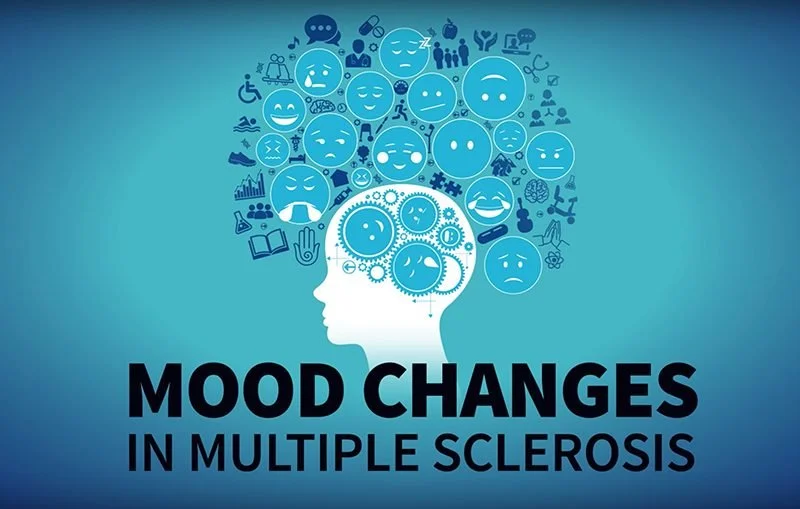
In July 2021, a research team led by Elisa Longinetti from the Karolinska Institute in Solna, Sweden, conducted an experiment analyzing the risk of depression of Multiple Sclerosis modifying therapies. This experiment was mainly observatory, collecting data mainly from the Swedish Multiple Sclerosis Registry, as well as the Swedish Causes of Death register and Swedish Migration Register. Since MS affected the function of Neural Pathways, this experiment wanted to determine if MS could lead to depression, and whether differing Disease Modifying Therapies (or DMT) would be linked to depression in more patients. Using the Swedish Patient Register, they were able to access diagnosis of depression, as well as prescriptions of antidepressants in patients, and linking them with the type of DMT that the patient used. Potential confounding factors included predisposition to depression as well as prior diagnoses, MS seversity, psychological comorbidity, and demographic factors, which were all considered in the results.
Results and Discussion
Based on the results, the choice of DMT’s/Disease Modifying Therapies do have the following risk of depression to those with MS. However, there is a need for more research to determine if there is a causal link. Patients who take rituximab are seen to have lower risks of being diagnosed with depression compared to patients who are treated with interferons. The patients who are diagnosed with depression and take interferon are more prone to discontinue usage than those without depression. Patients who were diagnosed with depression and taking fingolimod, a drug that is used to treat relapsing patients with MS, are more prone to start taking antidepressants more than those who did not. The study has had some disadvantages in limitations, such as no access to primary care, and an inability to access family history in regards to heritability of depression. Further research is needed in order to determine if there is a causal link or if biological and psychological factors had a play to the differences observed.
Works Cited:
Elisa Longinetti, Thomas Frisell, Simon Englund, Johan Reutfors, Fang Fang, Fredrik Piehl, 2021 July 15, Risk of depression in multiple sclerosis across disease-modifying therapies. Multiple Sclerosis: Clinical and Laboratory Research. https://doi.org/10.1177/13524585211031128 https://journals.sagepub.com/doi/10.1177/13524585211031128
