
This is part 2 out of 4 of the article series “COVID 19: The Crossroads of Tech and Medicine” published exclusively on the Teens In Health blog Science Now written by Megan Mehta. To read previous articles, visit the Teens In Health Science Now! blog on the Teens In Health website.
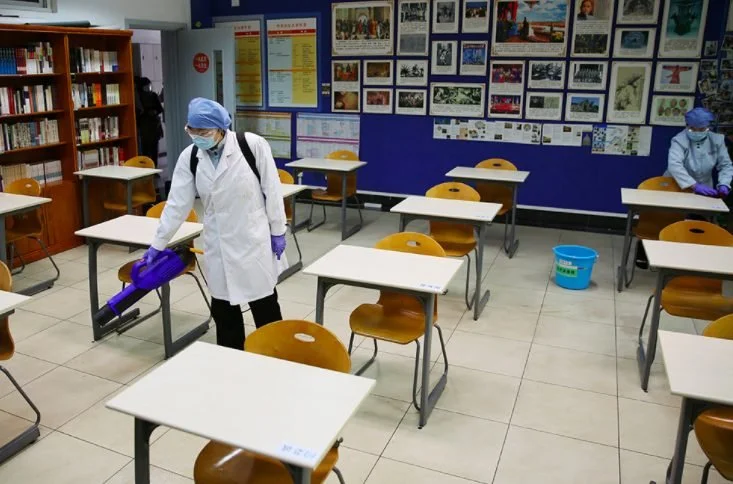
The nation is divided over efforts to reopen schools and workplaces or continue distance learning/working online. Some argue that returning to normal is essential to preventing another recession or Great Depression-type economic crisis. Others dispute this notion and argue that we must continue social distancing efforts to stop the spread of COVID- 19, thus, more COVID-19 related deaths. According to Amelia Nierenberg and Adam Pasick’s New York Times article, “Schools Reopening: The State of Play for K-12,” nearly “two-thirds of the nation’s 50 million public schoolchildren” return to school by the third week of August during the normal school year. Many public health officials have stated that it is unlikely that young children will be infected with COVID-19. However, this does not mean that they are not likely to spread COVID-19. Many young people can be carriers of the virus, meaning they are technically infected but do not express any symptoms. They can pass the virus to more vulnerable family members and members of the public. This, in turn, can boost the spread and heighten the mortality rate of COVID-19. “The problems with schooling during the coronavirus are systematic, but the angst is personal. Teachers and families are being forced to choose between imperfect options based on factors including health, socioeconomic status, and tolerance for risk,” Nierenberg and Pasicks note (New York Times). Politics have mixed into the decisions regarding opening schools, and the choice has become personal because this issue presents a direct threat to the health and wellbeing of staff, teachers, students, parents, and their families and other people they come in contact with.
Based on previous data, recommendations from public health officials, and the collection and analysis of new data, it is abundantly clear that we cannot reopen (in most places) because it will result in an uncontrollable surge in COVID-19 cases. Considering the fact that most schools are choosing to remain closed (and those that might have opened are opting to re-close again), how do schools and universities utilize technology to continue education?
Many schools are starting to (or continuing/increasing) the use of online teaching tools like Google Classroom, Canvas, Blackboard, etc. Live videoconferencing tools have also become popular, most notably is Zoom. This can present a hurdle to teachers and professors who have not used such online tools before; the COVID-19 pandemic forced numerous instructors to modernize their teaching styles and methods of instruction. Most online education tools and services have created training sessions and boot camps during the Summer of 2020 to help instructors learn how to use such online tools efficiently and effectively, and prepare for the Fall 2020 semester/quarter. Nonetheless, this implies that the school can afford to move instruction online. Countless underfunded K-12 education institutions cannot afford to provide underprivileged students laptops and other essential technology to adequately learn online. This economic disparity affects the success of student learning. The COVID-19 pandemic has exposed underlying fundamental issues in the education system—the lack of funding negatively impacting student learning outcomes. On a similar note, “a rebellion against the high cost of a bachelor’s degree, already brewing before the coronavirus, has gathered fresh momentum” Nierenberg and Pasick note. Thousands of college students across the country are demanding discounts on tuition, as they are not getting the full benefits of face-to-face instruction. Some colleges have provided a significant tuition cut, but most colleges are compromising to provide only a 10% discount. Other universities are more hesitant and have released statements explaining why they will keep tuition costs the same, continue to charge (most) of the same fees and keep initial deposits.
Students that have not used online modern learning tools before, usually younger students, face a steep learning curve and lots of self-control. Online learning presents a challenge that most people have not considered before: distractions. Lots of students, understandably, struggle with self-control when attending class synchronously via Zoom or completing assignments asynchronously. Numerous online distractions make it harder for students to absorb information, thus, affecting their grades. Some parents actively monitor their child’s academic progress, however, it is difficult for single parents or parents that work full time to do so, because they are struggling to work remotely as well (assuming the parent(s) are not essential workers, which presents another challenge). Either way, it is clear that online learning presents unique challenges to educators, students, and students’ parents’.
While pushing educators to modernize teaching methods and use technology in the classroom, the COVID-19 pandemic has exposed weaknesses in the education system. Most notably, how unprepared some educators are to move instruction online (their unfamiliarity with using basic online instruction tools), as well as issues with funding for K-12 institutions and tuition for higher-education universities. This begs the question: is the education system prepared for a successful Fall 2020, and what will we do if a similar pandemic happens again? How will we utilize technology to move forward and help students continue to learn?
Works Cited:
https://www.nytimes.com/2020/08/17/us/k-12-schools-reopening.html
