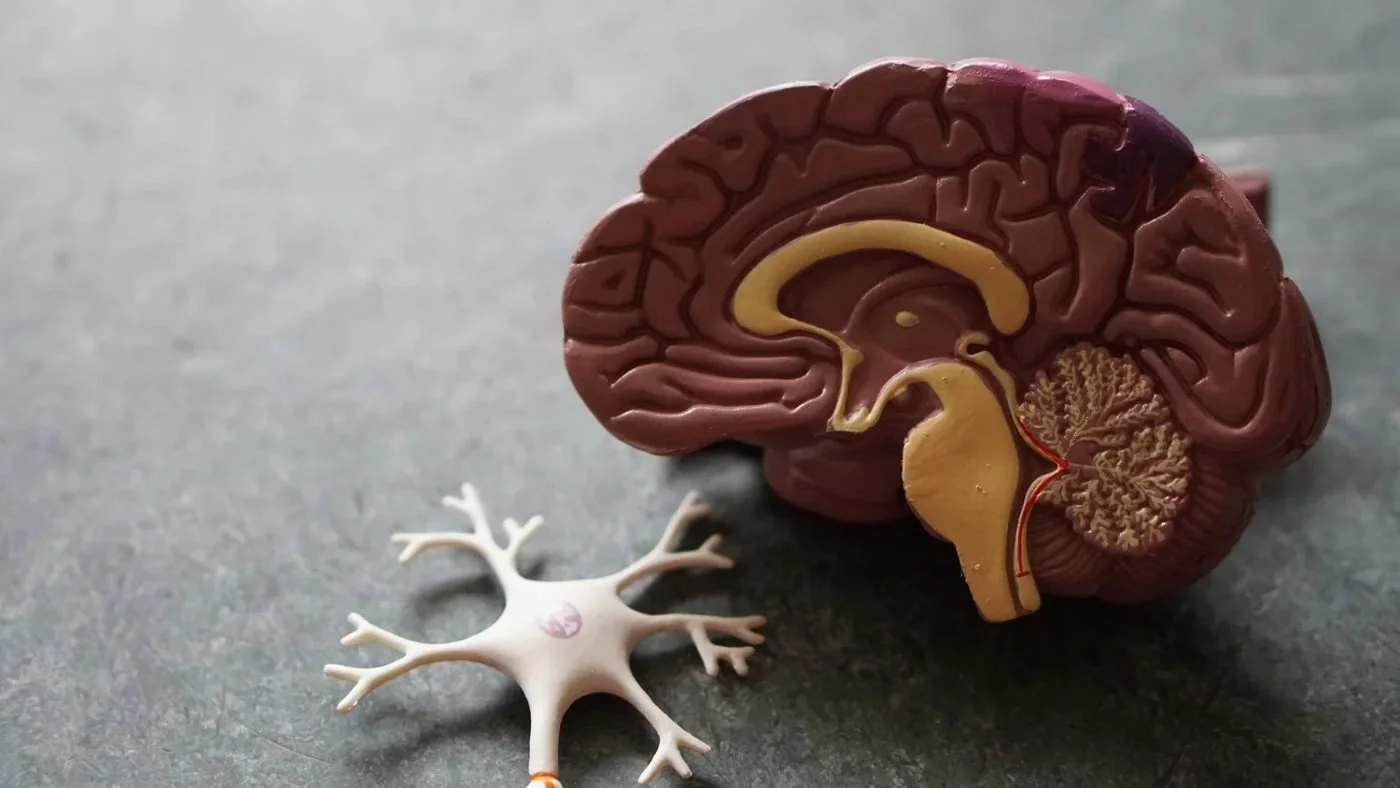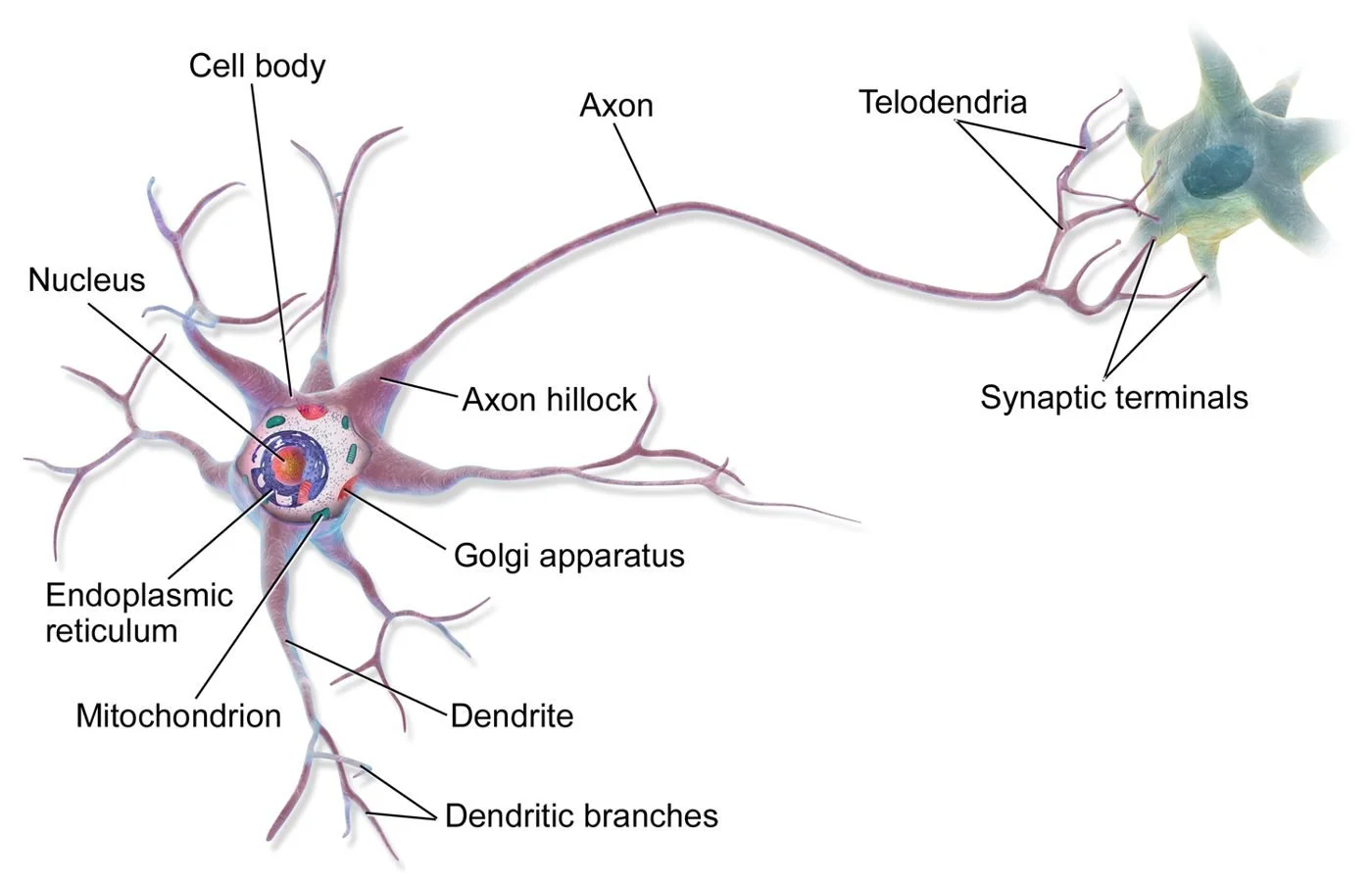
Scientists have been using the metaphor that there are as many neurons in the human brain as stars in the Milky Way, but is that really true? Different studies show that there are 86 billion neurons, some studies amounting to 100 billion. All of these neurons have different purposes when sending messages throughout the brain, but what if some of these neurons are unable to send messages through the brain and body to complete an action. The neuron’s faulty wiring can lead to different diseases and such which has led to different solutions in rewiring the neurons such as the new collaboration between Elon Musk and Neuralink.
The solution that this collaboration came up with consists of three main parts: small and flexible electrode ‘threads’, a neurosurgical robot that plugs those ‘threads’ into the brain, and unique high-density electronics that are used to read the signals of the electrodes implanted in the brain. These three parts function together to create electrical signals that can detect various potential actions. This brain-machine interface is the first prototype and is being used as research to further the potential of this fully embedded interface.
Neuralink created two types of polymer probes or “threads” called ‘Linear Edge’ and ‘Tree’, the names referring to the general shape of the probe. A custom process in which thin-film material held together by a substance called polyamide are put together with sensors and contact areas for the electrodes to be one is used to make these probes.
The second part of this project is the neurosurgical robot that inserts the probes with arrays of the electrode threads. The needle on the base of the robot penetrates through brain tissue and allows as a center for hooking onto the threads. Areas across the skull serve as insertion sites and allow for anatomical precision and planning. This process also has a strong success rate, which essentially strengthens the need for planting the electrodes individually.
The final part of the collaboration is the high-density electronics that read the signals from the implanted electrodes. Neuralink’s microscopic circuits and control centers power and store data from the signals produced by the implanted electrodes. Neuralink’s ethernet base also allows for the reliable streaming of this data into real-time visualizations.
Neuralink is still testing in rats to make sure the platform is stable enough for human brains. If it is successful, the “high bandwidth” brain connection will allow paralyzed humans to control some electronics such as phones or computers. Neuralink are remaking what it is to be a brain machine interface with this new prototype which will hopefully be able to be used in human settings in order to help those who can’t perform certain actions be able to. This is a new step in the advancement of neurology and the study of motor functions; this brings us one step closer to the best possible solution.
BMIs, Brain-Machine Interfaces, are systemic interfaces in which controls and signals of the brain in regard to motor and voluntary controls can be remotely and willfully manipulated through the use of remote electrodes threads reaching ranges of 3,072 electrodes distributed across the span of the parietal, frontal, and occipital lobes. The device is formulated with multi-electrode polymer probes made of semiconductor elements and metalloids, which offer a varying spectrum of rudimental actions to control. While the implantation of the probes and the chip interface will be generally inefficient and risky in regards to effectivity and time through previously formulated human-surgery, the Neuralink organization created and external implant module that can operate without the need of craniectomies and precisely. The implant machine utilizes stiffeners to structurally support the otherwise flimsy probes while optimizing the factor of the malleable probes to allow for exocranial implant across the array of the targeted brain regions. The basic benefit presented are hyper-brain augmentation and neurological disorder treatment.
Thread
The thread is composed of gold-filament trace conductor to stimulate and transfer electrical signals in which the strands are embedded with electrode contract to trace, amplify, and sense action. Each array composed has 48 or 96 threads, each containing of separate 32 independent electrodes in which the integrated chips are bonded to the sensor regions with the controlled collapse chip connection method, allowing for external wiring, extensions, and remote module placement. Each strand is formed in sizes 5 to 50 μm in width, 4 to 6 μm thick, and 20 mm long. Typically, varying designed and figures have been developed for the thread and electrode figures, each specializing in a relatively small but critical difference in regards to the placement, function, and optimal capacity of each. As the thin design and significantly small size of the strands generally posed the issue in proper voltage capacity and operations in operation with the interface, the issue had been resolved through the implementation of another conductive polymers classified as PEDOT and PSS to augment the surface of the strands to form a capacity enlarged strand while also have been recorded to have greater electrophysiology impedance properties. Through the “wafer-style” method of construction and production, manufacturing of the filaments is boundless and swift efficiency despite the detail and composition required for each individual unit.
Robot
As the processes and experiments of direct human implants of neural mechanics have been tried, tested, and generally refrained from due to the large margin of error following the insertion of any single electrode, the Neuralink corporation have invented a robot tasked specifically for performing the incredibly difficult task of insertion of the flimsy probes while operating rapidly and in bulk. The robot implants the threads through a thin pincher needle on an axis stage corresponding the size of a brain form the superior position allowing it to be programmed to reach and implant on the complete topside array of the brain and do so precisely and accurately. The design of the needle is incredibly small and intricate in which the needle is a size of 24 μm diameter prick etched down along the length to be designed to be hooked onto the insertion loops to transport and implant several and specific threads and provide placement support to the probes and threads to follow the programmed pathways. Along with being precise and critically accurate, the robot designed must be extremely quick to function to account for the force needed for the internal embedding of the threads from outside the head and to account for the mass count of strands needing to be implanted in total. The motor utilized which operates and accelerates at rates up to up to 30,000 mm s^-2 to penetrate the brain tissues. As situations vary, the robot designed utilizes skull landmarks to record and auto-inset the threads while also having the ability to alter in position and needs as per the surgeon or authority who controls it, allowing the machine to be much more practical and flexible to future functions and changes. Through the span of 19 test experiments, the processes averaged at 45 minutes in total at a rate of 29.6 electrodes per minute, and the success rates ranged from 74.5% to 99.7%.
Electronics
Upon successfully implanting the spectrum of electrodes, probes, and threads, the following inner anatomical operations are systemically organized as well to operate as designed to. All the while be small, convenient, and energy-efficient, the electronics designed are tasked to intensify little neural signs while dismissing out-of-band clamor, test record the intensified signals, and stream out the outcomes for the continuous accumulation of information. Neuralink again forms the ASIC operating chip and recording/operations platform while also being moderately replaceable and researched for future refinement. The structure of the frameworks incorporates a waterproof design while having the network efficiency as a 10G connection. Every framework comprises of a field-programmable entryway cluster; ongoing temperature, accelerometer, and magnetometer sensors; and a solitary USB-C connector for full-transmission capacity information move.
Electrophysiology
In the testing of the the interfaces upon rat test subjects, the data analyzed can be recorded from 1,344 to 1,536 various channels of information at the same time upon using the System classified as A while System B records and transmits from all 3,072 channels at the same time. The BMI spikes recorded from the electrodes show the decoding operations and the BMI parameters of the systems. The spike arrays researched recorded the electronic broadband signals simultaneously. Additionally, the previously 19 surgeries recorded BMI spikes yielding 85.5% realtime relay and record.