
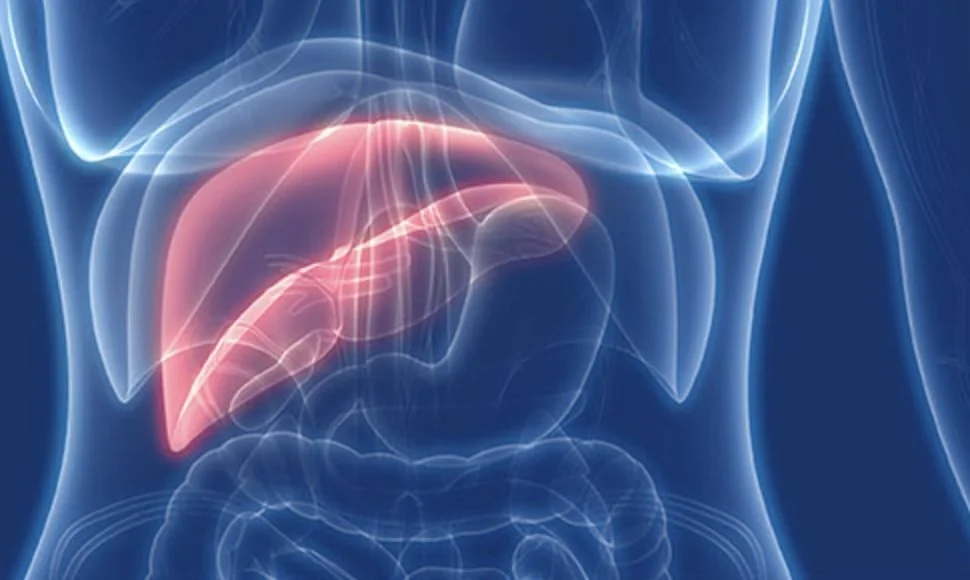
May is Hepatitis Awareness Month. As more counties take measures to open up, it is crucial that we still take measures to understand other viruses that affect our community as well as how proper cleaning management will help us and our peers be healthy. Hepatitis is a condition that affects the liver, which is responsible for regulating chemical levels in the body by breaking down what we eat. There are many types of hepatitis, most commonly known from viral infections. In this article, we will do a crash-course review on different causes for hepatitis, including the newest, hepatitis B.
Hepatitis A is an acute disease, meaning it develops suddenly and lasts for a short time, and it is contracted through intercourse or sharing contaminated food or water. The CDC recommends that infants that are between 1 to 2 years old should receive their vaccinations, and these vaccines are effective for up to 20 years. Adults receive a second vaccination as well as people who are susceptible to STDs (2017).
Hepatitis B is both an acute and chronic disease, meaning it can last for years for those who do not receive their vaccinations. However, starting in 1991, the hepatitis B vaccination was introduced for infants and adults (CDC). This means that many young adults may still not have their vaccinations, which can be dangerous if mothers pass the disease to their children. While some people may be asymptomatic, some people may develop liver damage, known as cirrhosis.
Estimated with over 50,000 people in the United States who had been diagnosed with hepatitis C in just 2018, hepatitis C is the most inconspicuous form of hepatitis because it is hard to diagnose. With an average range of 14 to 182 days of incubation, hepatitis C can be either acute or chronic, and it does not currently have a vaccination (CDC, 2020).
Hepatitis D is also called the “delta hepatitis” since it only occurs to those who have been affected by hepatitis B, so it is a “coinfection” to the “superinfection.” Like hepatitis C, it can be both acute or chronic, which can lead to severe cirrhosis and death. However, since this infection is usually contracted with another infection, hepatitis D is usually combated with hepatitis B jointly (CDC, 2020). Similarly, hepatitis E is not as commonly talked about in countries like the United States because it is only contracted through contamination. However, in developing countries, many people get the virus when ingesting contaminated water. As a result, there is no vaccine for this virus, and it is very deadly for those in developing countries (Teshale & Hu, 2011). While it usually resolves on its own in developing countries, those without necessary hospital equipment are highly susceptible to liver failure and death.
Citations
Teshale EH, Hu DJ. Hepatitis E: epidemiology and prevention. World J Hepatol 2011;Dec 27;3(12):285-91.
Centers for Disease Control and Prevention. Hepatitis B virus: a comprehensive strategy for eliminating transmission in the United States through universal childhood vaccination: recommendations of the Immunization Practices Advisory Committee (ACIP). MMWR 1991;40(No. RR-13):1--19.
Centers for Disease Control and Prevention. Hepatitis D Questions and Answers for Health Professionals. 2020. https://www.cdc.gov/hepatitis/hdv/hdvfaq.htm
Centers for Disease Control and Prevention. The ABCs of Hepatitis -- for Professionals. 2020. https://www.cdc.gov/hepatitis/resources/professionals/pdfs/abctable.pdf
Image from Centers for Disease Control and Prevention.
