
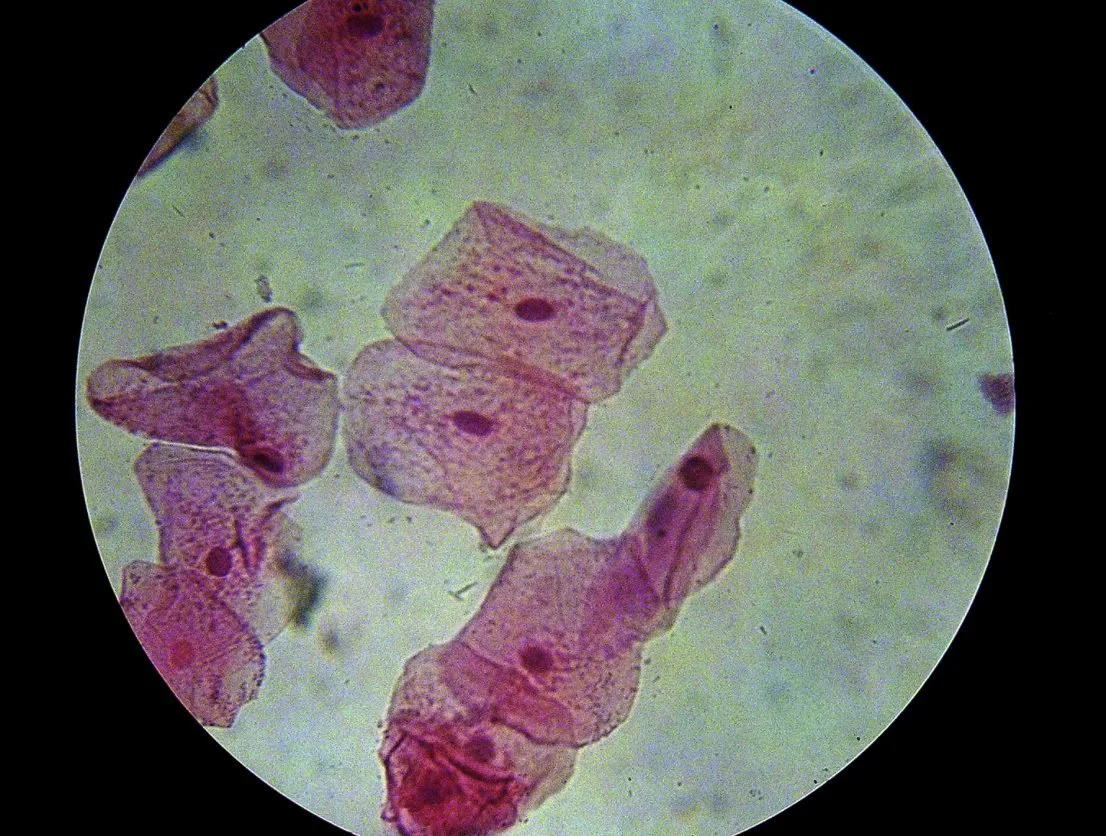
Histology is the study of tissues and their structure (Open University). Being able to identify different cellular and tissue structures can help a doctor or medical professional understand the underlying causes of a disease. In order to see parts of cells and tissues up close, scientists have to be able to section off parts of a tissue precisely. To view certain parts of the tissue, they will stain its cells or organelles. After doing so, they will preserve the tissue in a coverslip, allowing the stained portion of their specimens to be easily visible under a microscope.
Interested? Consider signing up for Open University’s free course on histology, microscopy, anatomy, and disease.
From the virtual laboratory, discover cells from your home at the Histology Guide with comprehensive pictures and descriptions.
DESCRIBING STRUCTURES
POSITION
afferent - when a structure is facing toward from an organ (“a” as in “assertive” facing toward)
efferent - when a structure is facing away from an organ (“ex, e” are exterior and outside)
PARTS OF A STRUCTURE
cortex - the outer portion of a structure (like your brain cortex is its surface)
medulla - the inner portion of an organ, usually in the middle
“The medulla is in the middle, the cortex every other corner.”
MEMBRANES
mucosa - a mucous membrane, comprised of several layers
serosa - a serous membrane, composed of a mesothelium and underlying connective tissue, lining the serous cavities of the body.
Know the difference: Mucus secretions are defined by a higher concentration of mucin, while serous secretions are defined by a higher concentration of alpha-amylase, an enzyme that breaks down sugars. Your saliva is composed of both and other secretions.
ELEMENTS OF ORGANS
hilus or hilum - part of an organ that dips down for vessels and nerves to enter
lumen - the space within a tube or hollow organ (like your blood vessels)
parenchyma - the defining elements of an organ that determine its function
stroma - supportive elements of an organ that support the parenchyma
serosa - a serous membrane, composed of a mesothelium and underlying connective tissue, lining the serous cavities of the body.
Interested in histology? Study Kacie M.’s open source histology cards online!
