
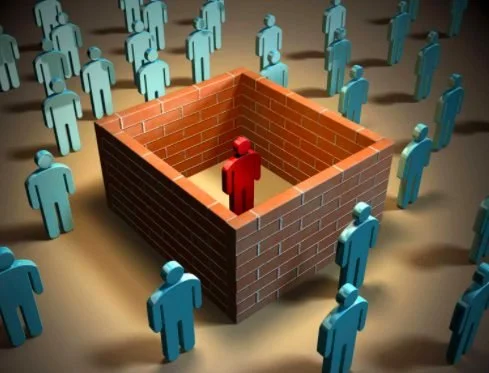
During this pandemic, everyone has experienced some type of isolation. Whether it’s quarantining because you tested positive for COVID-19 or if you are isolating for the sake of others’ health, almost everyone has had to isolate.
Because of rampant social isolation during this time, research has shown that people’s brains are craving for any sense of other humans, whether that be in-person, through video calling, or even through photos of people.
This conclusion has been reached by a study from neuroscientist Livia Tomova, who at MIT, made her colleagues undergo a study. She had her participants fast for a certain amount of time and then found that after the fast, nerve cells in their midbrain were more active after being shown pictures of various food items such as pizza and chocolate. Similar to the study with the food, she tested this exact way but with people.
The participants were in isolation for the same amount of time (without any social media or photos of people) and when they were given pictures of people to look after this “fast”, the same nerve cells fired up and were more active showing the discrepancy between what being isolation can do versus what it usually doesn’t do because of our normal interactions with people before COVID-19.
This midbrain that Tomova tested after their reactions are responsible for the reactions of the presence of various items such as drugs, people, and food. These findings in the nerve cells of the midbrain show what a detrimental effect the social aspect (or lack thereof) of COVID-19 can have on the brains of the general population.
Works Cited:
https://www.sciencenews.org/article/lonely-brains-social-isolation-people-mental-health
Image Credit:
http://www.cambridgevillageofapex.com/news/help-aging-family-members-avoid-social-isolation/
